


 Poland
 Austria
 Czech Republic
 France
 Germany
 Netherlands
 Spain
Spain Switzerland
 United Kingdom
 Italy
Italy United States
 Ukraine
 Wish list
 Sign up Register


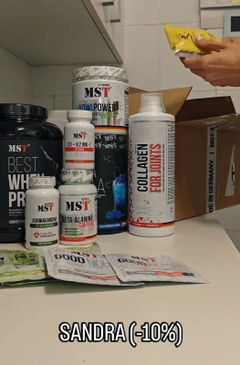
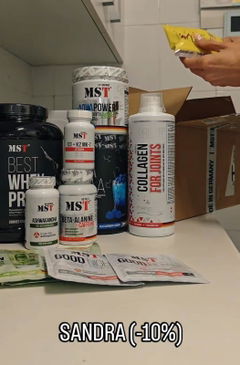
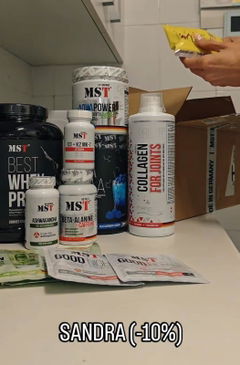
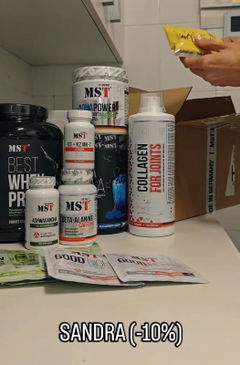

This salted caramel mass gainer mixes instantly into a rich treat without any gritty feeling, sits light on the stomach, and arrived at my doorstep within just 24 hours 🚚
I've been taking Selenium for a while and I'm happy with it. It's easy to take and fits well into my daily routine. Ordering was quick
I really like the chocolate flavor! It mixes well, tastes great, and is an easy way to get extra protein during the day. The order arrived quickly, and the service was excellent!
This unflavored waxy maize provides clean glycogen replenishment right after a tough workout, mixes smoothly with zero grittiness, and the parcel arrived safe and sound 📦