Poland

 Bulgarian
 Germany
 Estonia
 Finland
 France
 Greece
 Italy
 Latvia
 Lithuania
 Netherlands
 Austria
 Romania
 Switzerland
 Slovakia
 Spain
 Sweden
 Czech Republic
 Ukraine
 United States
 United Kingdom
 Wish list
 Sign up Register
The best supplements for shift workers won't fix a shift schedule. But they can target specific gaps when training, meals, and sleep times are constantly changing. Whether you train after an early shift, work nights, or have limited time to recover between late and early shifts, you don't need a randomly stocked cupboard. What matters are substances with well-established benefits, precise dosing, and timing that doesn't further disrupt sleep.
Shift work challenges the body on several levels: the circadian rhythm shifts, meals become irregular, daylight is often lacking, and sleep duration decreases. For people who are physically active, training demands are an additional factor. Supplements are therefore no substitute for sleep, a balanced diet, or medical evaluation in cases of persistent exhaustion. However, when used appropriately, they can meaningfully support nutritional fundamentals, performance, and recovery.
Best supplements for shift workers: the sensible basics
Protein for muscle maintenance and predictable recovery
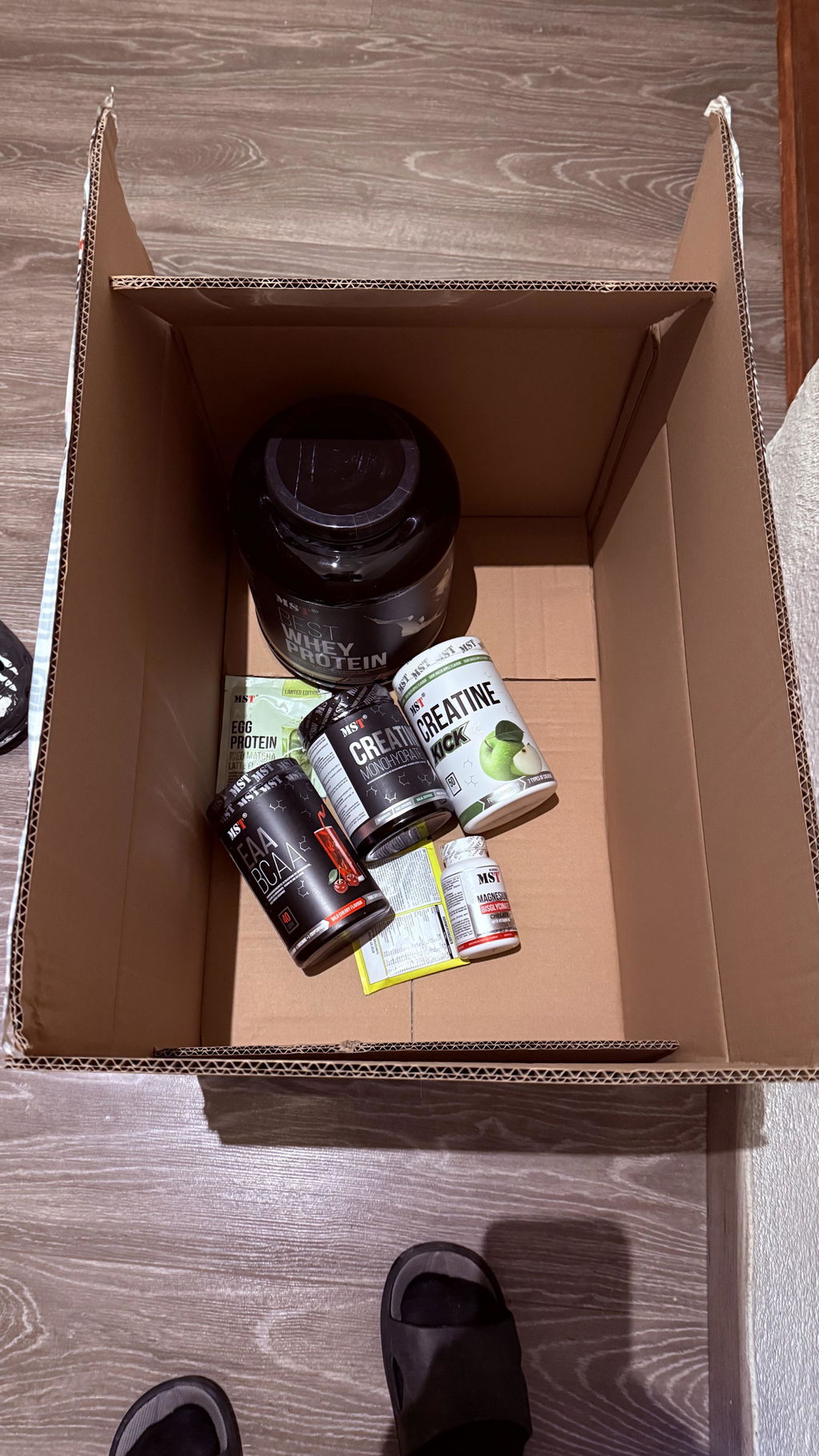
Protein is especially practical for shift workers because complete meals aren't always available when needed. Those who do strength training and want to maintain or build muscle benefit above all from a sufficiently high daily protein intake. A guideline for many active people is about 1.4 to 2.0 grams of protein per kilogram of body weight per day. Individual needs depend on training volume, body weight, calorie intake, and goals.
A high-quality protein powder does not replace a meal, but it reliably fills a nutritional gap - for example, after a morning workout, during a night-shift break, or when a high-protein meal simply isn't realistic. Whey protein provides amino acids that are quickly available and is suitable around workouts. Casein can be useful when several hours pass before the next meal or sleep period. For people sensitive to lactose or following a plant-based diet, digestibility, amino acid profile, and the actual protein dose per serving matter more than an eye-catching label.
Creatine for strength training despite changing schedules
Creatine is one of the best-researched supplements in strength and power sports. It supports physical performance during short, intense bouts of exercise when 3 grams of creatine are consumed daily. For shift workers, its greatest advantage is ease of use: creatine does not have to be taken right before training. What matters is taking it consistently every day over the long term.
Three to five grams of creatine monohydrate per day is common practice. A tested, pure raw material such as Creapure® provides additional transparency about its origin and quality. A loading phase is not necessary. If you are sensitive to it, you can split the daily amount into two smaller servings. Creatine does not automatically increase alertness during a night shift - it is a performance supplement, not a stimulant.
Omega-3 as a supplement when eating little fatty fish
Shift schedules often encourage quick meals: baked goods, cafeteria food or snacks instead of regular fish and freshly prepared foods. If you rarely eat fatty sea fish, you can consider omega-3 fatty acids from fish or algae oil. What matters is not just the amount of oil per capsule, but the clearly declared amount of EPA and DHA.
Omega-3 is not an instant fix for fatigue. It is better suited as a long-term component of a balanced diet and can be particularly useful for people whose diets contain few sources of omega-3. When choosing a product, look for tested quality, transparent labeling and taking it with a meal. Anyone taking blood-thinning medication or facing a procedure should consult a medical professional before taking it.
Vitamin D, magnesium and micronutrients: Needs over gut feeling
Night shifts often mean less sunlight. Vitamin D is therefore an obvious topic, but not an invitation to take high doses. Whether supplementation is needed is best assessed based on individual status and medical advice. Targeted supplementation can be useful, especially during the darker months. The dosage should be based on individual needs, not blanket promises.
Magnesium is often associated with tiredness, muscle cramps, and poor sleep. In fact, magnesium contributes, among other things, to normal muscle function, normal energy metabolism, and the reduction of tiredness and fatigue. It’s especially relevant if your diet is low in magnesium or you lose a lot through sweat. However, more doesn’t automatically mean better: Excessive amounts from supplements can upset your digestive system. A moderate dose and well-tolerated forms are usually the better choice.
A vitamin B complex may also be suitable if your diet is unbalanced. Depending on the vitamin, B vitamins support normal energy metabolism and normal nervous system function. However, a high-dose product won’t boost performance in people who are well nourished. If you mostly eat a balanced diet, don’t expect effects that would only be possible if you had a deficiency.
Support sleep without disrupting your routine further
The most common mistake in shift work isn’t missing a supplement, but taking caffeine at the wrong time. Coffee or a pre-workout can make a night shift easier, but significantly worsen sleep after your shift ends. If you want to sleep after your shift, avoid having more caffeine toward the end of your work hours. The ideal time gap varies from person to person, but for many people, six to eight hours before planned bedtime is a good guideline.
For some shift workers, melatonin may be an option when their sleep schedule has shifted. Its effects aren’t the same as those of a conventional sleeping pill: taking 1 milligram shortly before bedtime helps reduce the time it takes to fall asleep. Whether it suits your shift schedule, however, depends greatly on your specific routine. If you take medication regularly, have mental health concerns, are pregnant, or are breastfeeding, consult a doctor or pharmacist before using it.
Magnesium, a quiet sleep environment, and a reliable routine can support your sleep, but they can’t make up for poor sleep habits. Dark rooms, a cool temperature, earplugs, and consistent breaks from your phone are often more effective than another capsule. This is especially true after night shifts, when daylight and noise can disrupt sleep more easily.
What really helps before and during a night shift
A long night calls for steady energy, not an aggressive stimulant blend. A protein-rich meal with complex carbohydrates before your shift usually provides a better foundation than your first energy drink. During the shift, water, protein-rich snacks, and easily digestible carbohydrates if needed can help you stay focused. Electrolytes are mainly relevant if you sweat heavily, work in a hot environment, or do long training sessions - they're rarely necessary for a night shift at a desk in an air-conditioned room.
Pre-workout boosters deserve particularly careful consideration. If you train before an early or late shift, a moderately dosed product may be useful if you tolerate caffeine well. If you train after a night shift and want to sleep afterward, a stimulant-free pump booster or a caffeine-free workout is often the smarter choice. Training performance is worthless if your sleep completely falls apart afterward.
Quality and timing matter more than product quantity
For shift workers, a short, consistently followed supplement routine is better than an overloaded stack. Protein as needed, daily creatine, and selected micronutrients when there's a clear need already provide a solid foundation for many active people. Products with clearly stated ingredients, transparent dosing, and German manufacturing make it easier to plan your own intake realistically. MST Nutrition focuses on clearly labeled formulas and tested branded ingredients rather than unnecessary ingredient lists.
If you're just starting out, don't introduce everything at once. Start with one goal: get more protein in your daily routine, take creatine consistently, or address a confirmed nutrient deficiency. Track sleep quality, digestion, training performance, and energy for two to four weeks. This will quickly show what actually helps and what just adds extra effort.
The best plan is the one that still works after your third night shift: stay hydrated, set reliable protein anchors, cut off caffeine in time, and use supplements as a precise addition - not as a fix for chronically insufficient sleep.